Sandringham Club – A Place in History
How it all begun
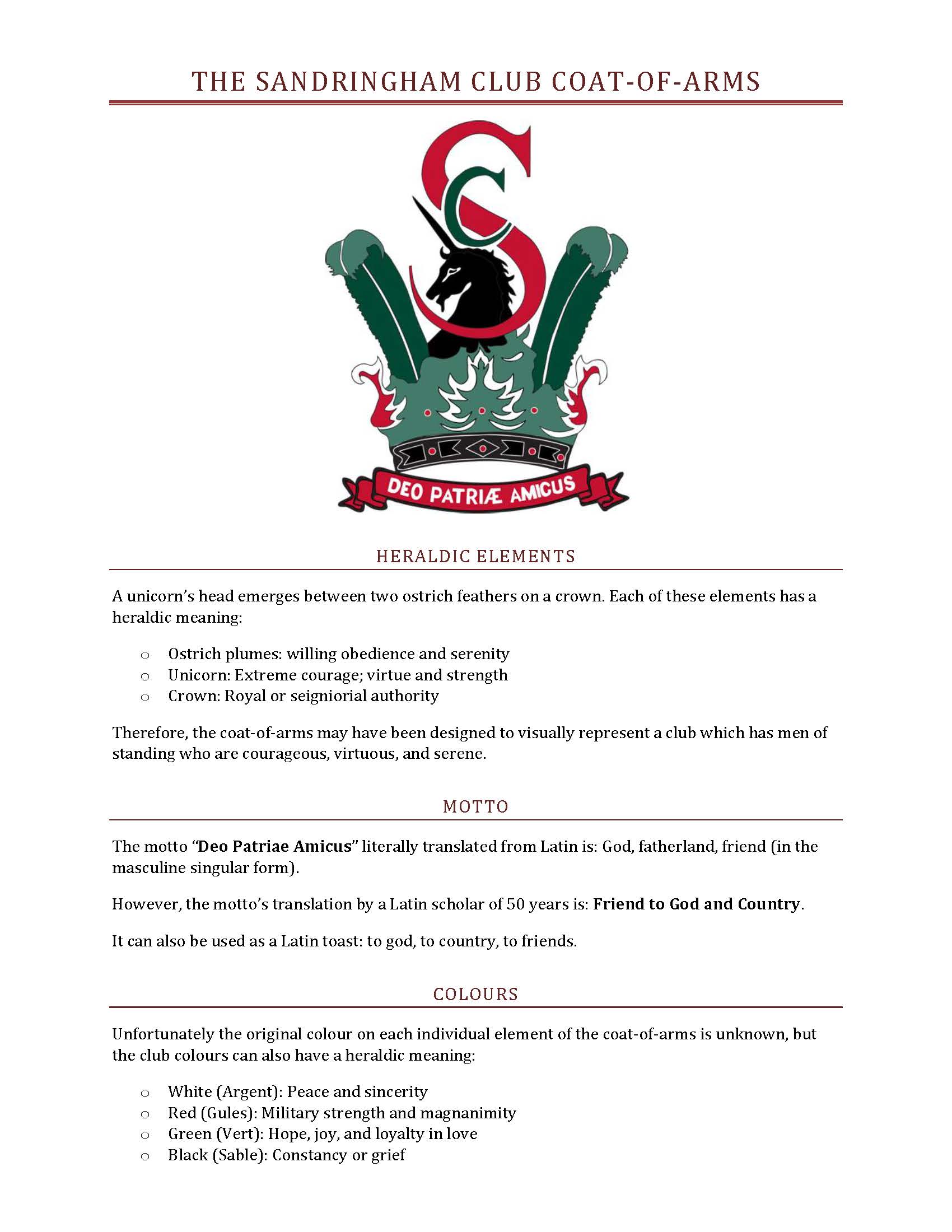
Our Crest and Moto
The origins of the Sandringham Club’s crest remain shrouded in mystery, with a possible link to the Abbott family, who held the title of Barons of Colchester from 1757 until 1919, when the title became extinct due to a lack of heirs.
The Barons of Colchester are well documented, as is the Abbott family’s Colchester Baronetcy crest, the upper section of which has been adopted by the Sandringham Club. Adding to the intrigue, both the Abbott family and Sandringham Club share the motto Deo Patriae Amicus. The symbolism behind the crest and the meaning of the motto are also well documented, offering a fascinating story and a potential historical connection.
The life of David Abbott (1844–1921) is similarly well documented. Born in Witham, Essex, he came from a region steeped in history, approximately 20 kilometres from Colchester and 17 kilometres from Coggeshall.
But this raises some intriguing questions. Was our David Abbott related to the Abbott family who held the title of Barons of Colchester? If so, was Sandringham Club’s crest and motto adopted because of a family connection through David Abbott, the builder from Coggeshall, or was the inspiration drawn directly from the Colchester Baronetcy? And if the latter, what prompted the choice?
The clues are there, but the answers remain elusive. The mystery continues…

A friend to God and my country
Our Debt to Past Historians
Coggeshall – a Spectacular Property and Home of our Own
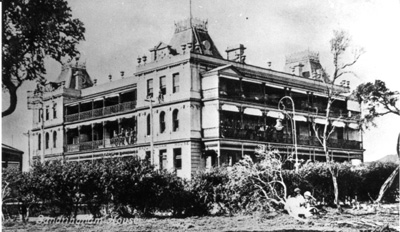
As the expiry date for lease of rooms at Sandringham House coffee palace loomed, the Club purchased land, firstly in October 1918, on the corner of Waltham and Abbot Streets for £330 financed by member debentures.
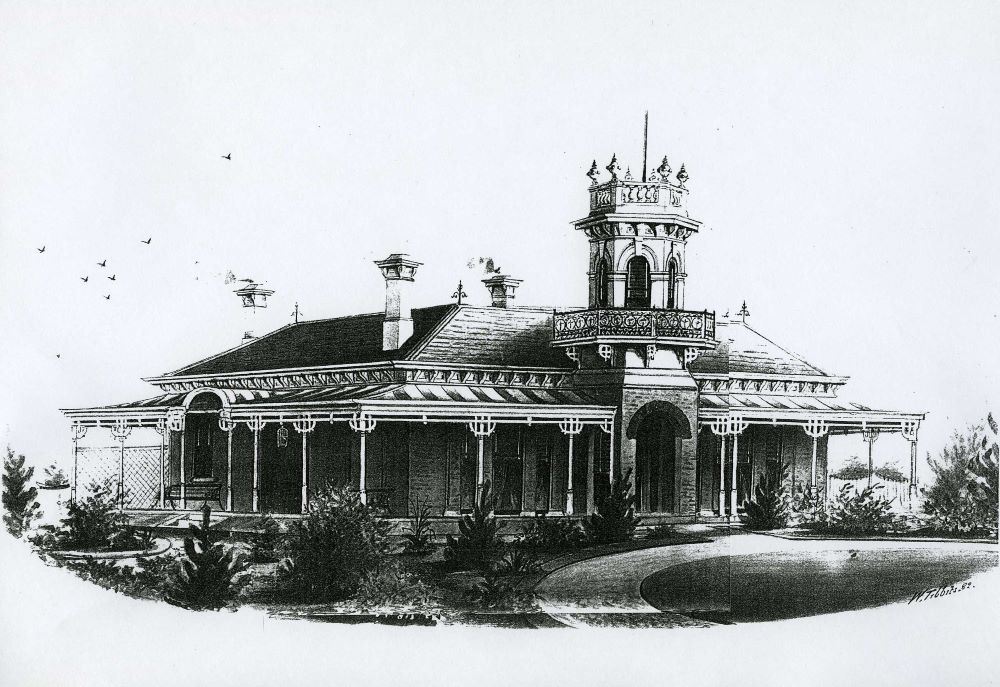
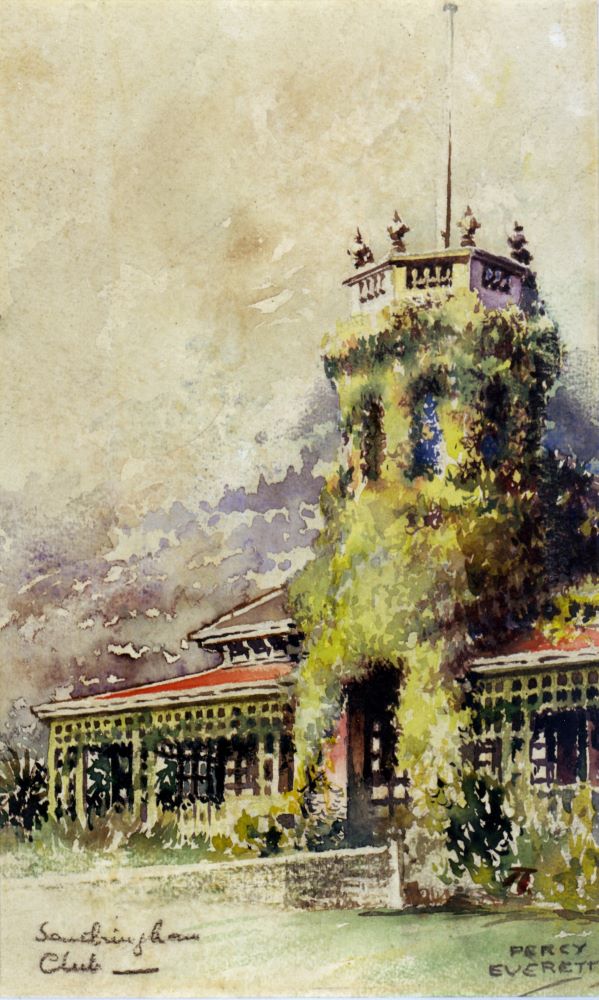
David Abbott, the original owner of Coggeshall, was born in England in 1844, raised in a village near Coggeshall, Essex, arrived in Melbourne in 1863, studied law at University of Melbourne and was prominent in the movement for severance of Sandringham from the Shire of Moorabbin. Abbott and his Elsie (who died in 1878) had three children. Elsie Abbott had a pleasant voice and gave regular recitals in what is now the Snooker Room.
Abbott purchased 37 acres of land in 1877 (including the one acre of the current property) and built Coggeshall. He sold off 29 acres as 70 blocks in 1886 and 1903. During 1908 Abbott sold Coggeshall and its eight remaining acres to local merchant Mr Elisha deGaris (formerly a prominent Mildura businessman) and soon after returned to England.
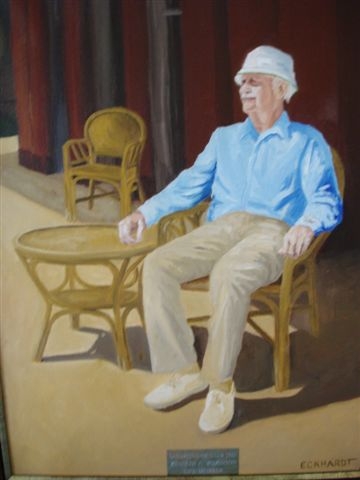
Mr. deGaris in turn subdivided and sold 7 acres in 28 lots after building Essex Street between them and naming Mildura Ave to the south of the property. Jim Whybrow, a club member from 1922 to the 1970s, a life member in his later years and known to several of today’s senior members lived at Coggeshall when his father worked there as a gardener for Mr. deGaris.
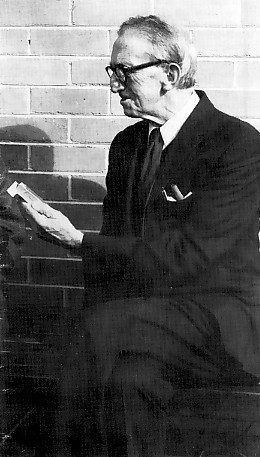
In 1922 with nearly 150 members, the Committee lead by Theo Farrant, Walter Toohey and Leonard Nankervis purchased Coggeshall and its land on five titles from Elisha deGaris for £5,234. This amount (equivalent to over $3 million today) was raised by member debenture loans (35%) and a Commonwealth Bank of Australia (CBA) bank loan of 65% secured against the Club’s Waltham Street property. Membership fees were doubled to 2 guineas per year ($600 today).
During January 1923, a working bee of 15 members was held to remove six large pine trees to the west and north of the building and, as a precedent for today, it was followed by food, fun and two kegs of beer. The trees were sold to Bryant & May for match making. New trees were donated by Wally Cattlin and C.G. Williams and planted by the Sandringham Council in 1927, being the palms in Bamfield Street and red flowering gums in Mildura Avenue.
Early Events, Funding and Renovations
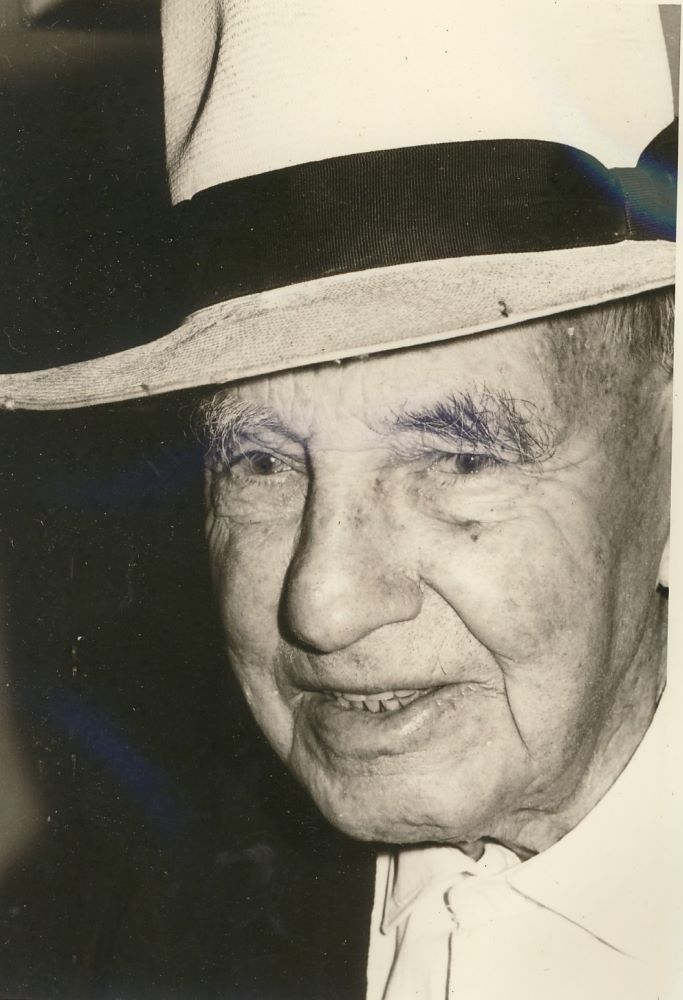
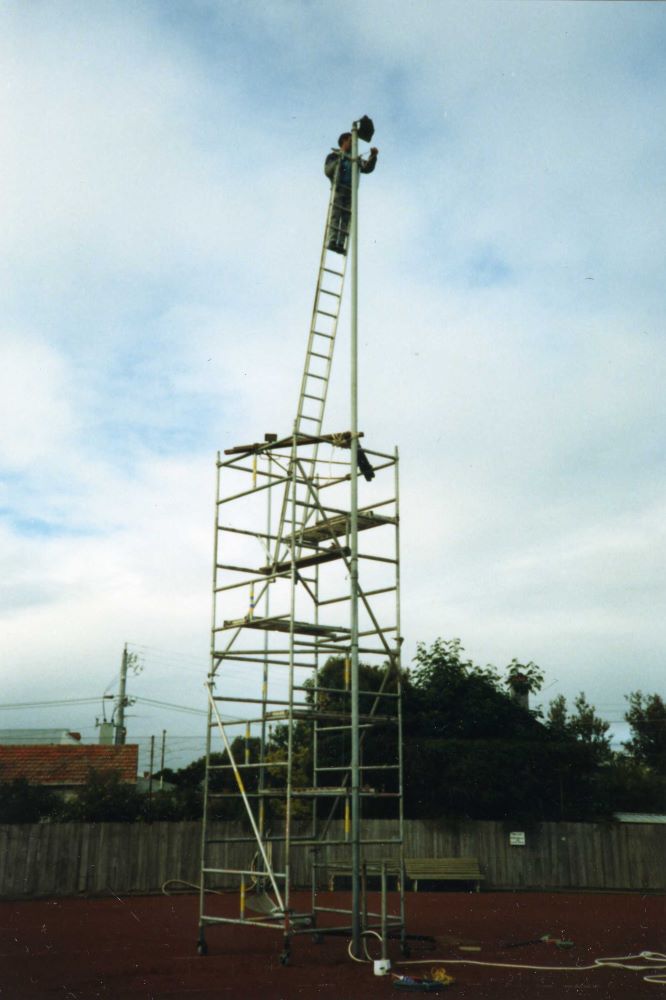
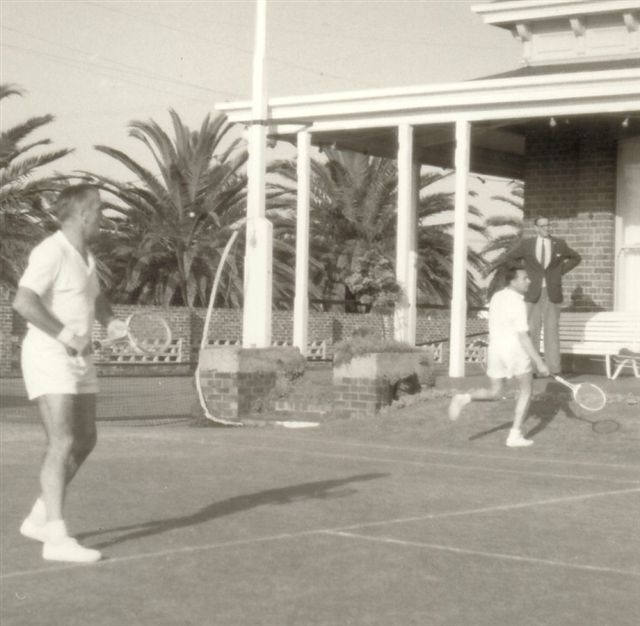
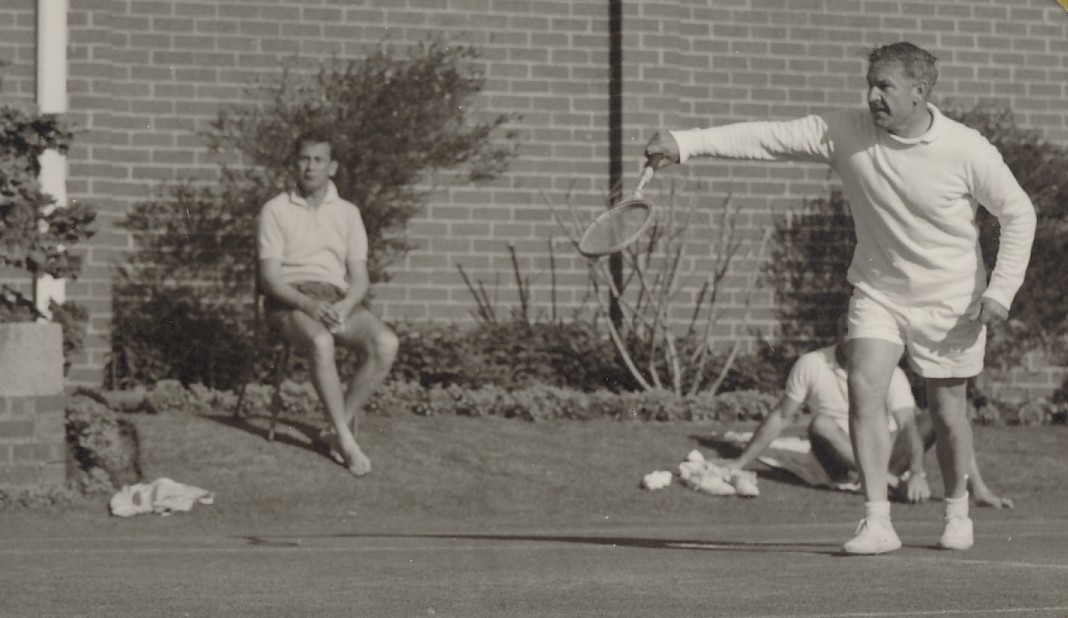
The First Forty Years
Sandringham Club in the Wars
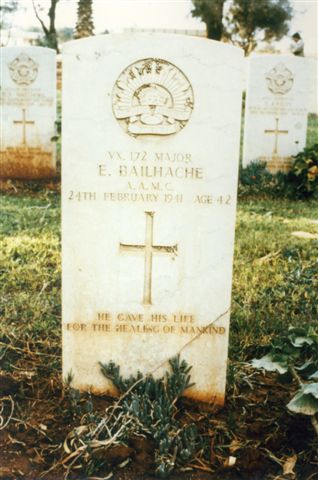
Current members should remember and be thankful to the 22 and 29 members (15% of Club membership at the times) who enlisted to fight in WW1 and WW2 respectively. The Club provided them with rousing send-offs, sent food parcels to those overseas, entertained troops on leave, raised money for War Savings Bonds and sent silver cigarette cases engraved with the club coat-of-arms to their fellow members.
Sadly, nine members lost their lives in the conflicts – Vivian Donald, James Jones, James Steel, Frank Winch, Hugh Glass and J.H. Dennis in WW1 and Eric Bailache, Charles Bethune and James Barry in WW2.
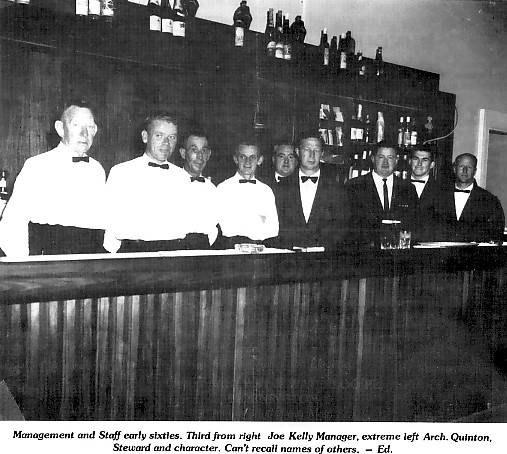
The Post-War Boom Years of 1950’s and 1960’s
Club Life in the 1980’s
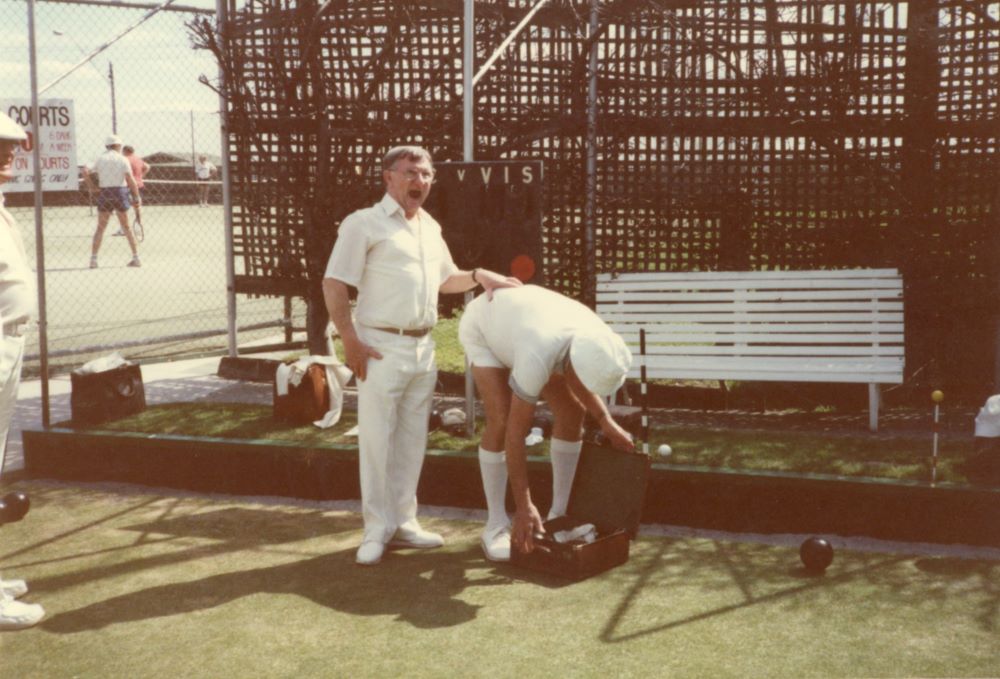
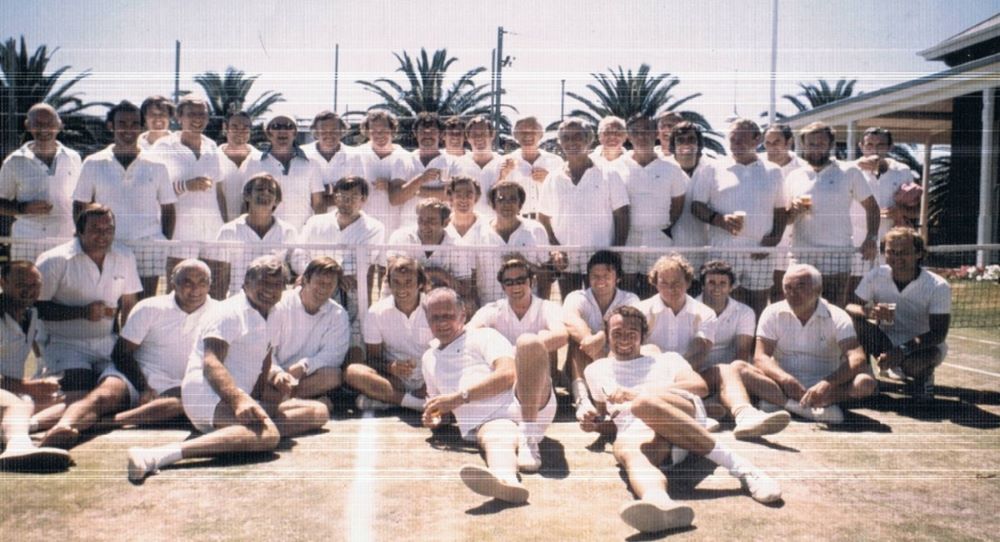
Social Activities in the 1990’s
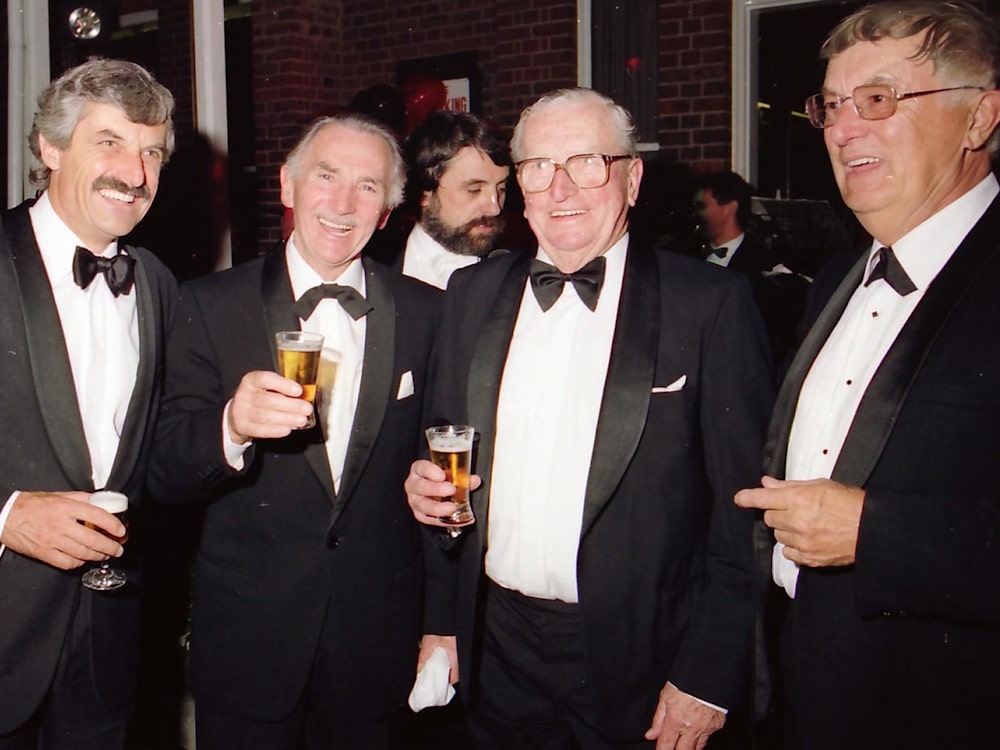
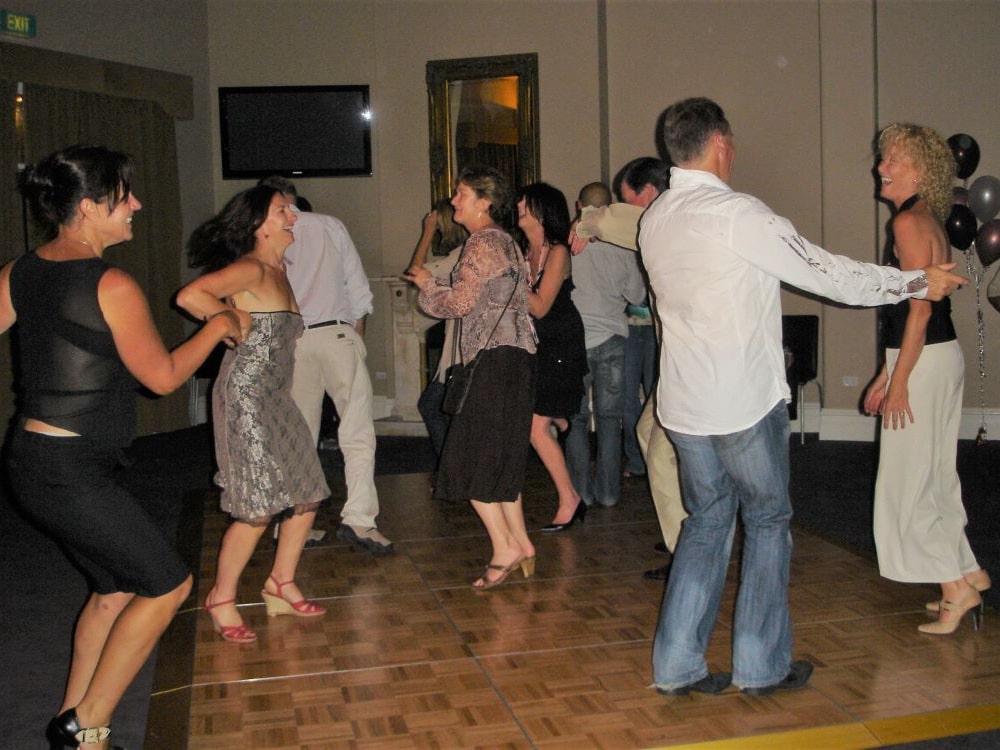
Recent Building and Ground Works
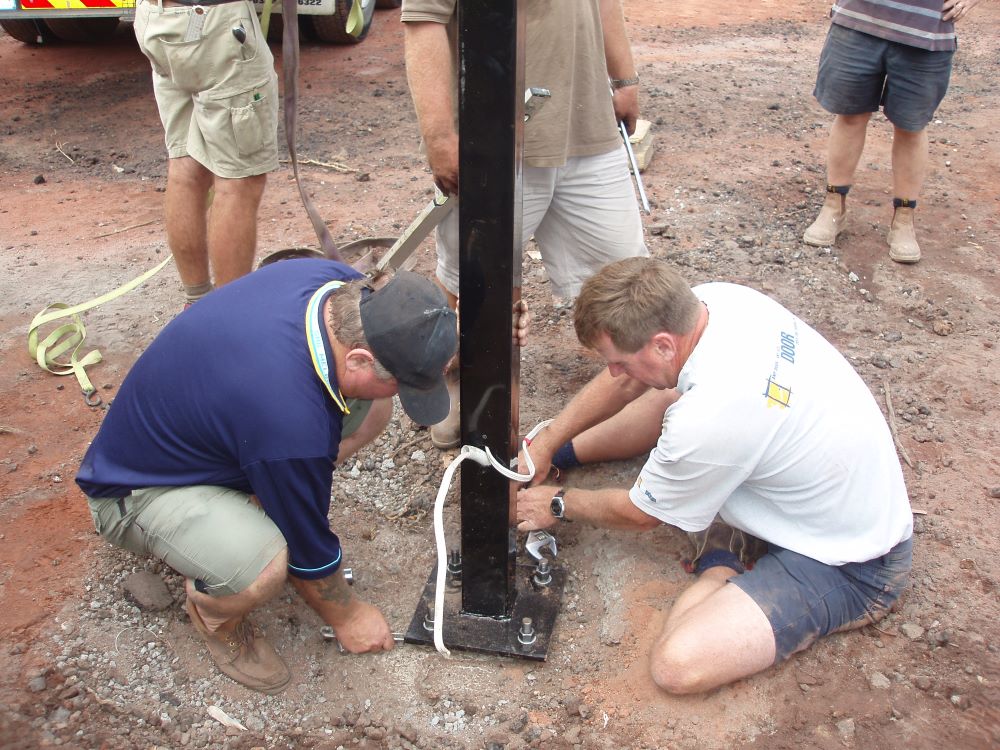
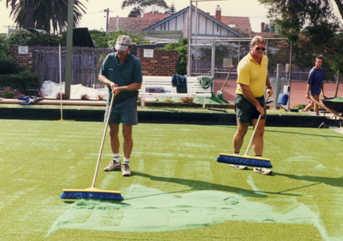
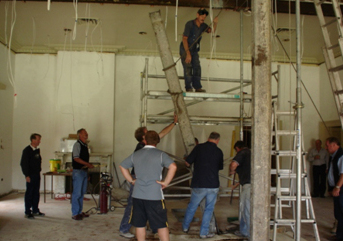
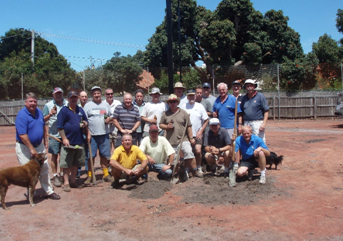
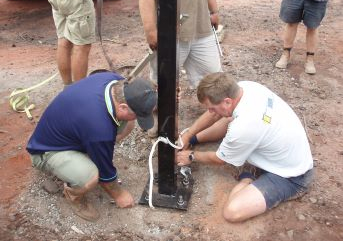
These highlights of Sandringham Club life arranged by and for members, continues the traditions of our forefathers in providing a place for conviviality and exercise for the gentlemen of Sandringham and its surrounding areas.
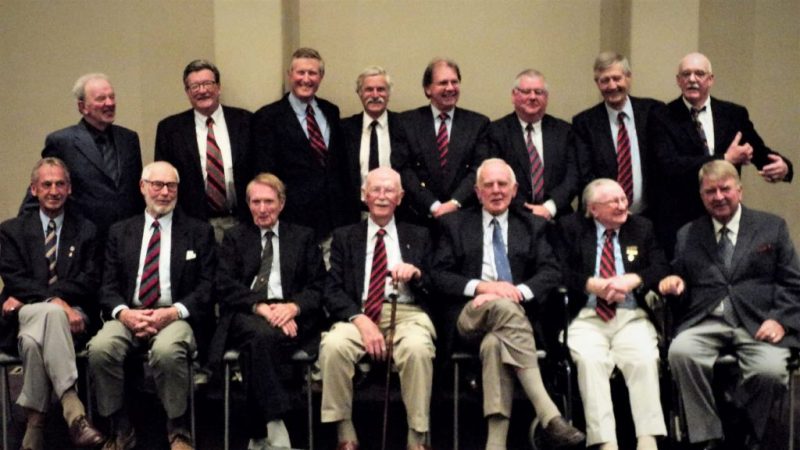
This short history covers the period 1913 to 2011. It was edited from articles in Coggeshall Magazine (1980’s) by Ken Wilkinson and Peter Sayers and in Sandy Club News (2009-11) by Ted Ross and Jim Smith. – the short story of the last five years is still to be written.
The Club’s full history was published from the History Group project under leadership and editorship of Ted Ross in the centenary year book “A Reputable Set of Men – The History of Sandringham Club 1913-2013”